Exploring the impact of smart homes on daily living, this introduction sets the stage for a fascinating discussion on the transformation of traditional homes into technologically advanced living spaces.
Providing insights on the key components that define smart homes, this overview highlights the benefits that come with embracing automation and connectivity in our living environments.
The Concept of Smart Homes
Smart homes are residences that use internet-connected devices to enable the remote monitoring and management of appliances and systems, such as lighting and heating. Unlike traditional homes, smart homes incorporate technology that allows homeowners to control various functions and features through their smartphones or other devices.
Key Components of Smart Homes
- Smart Thermostats: These devices can adjust the temperature of a home remotely, providing energy efficiency and comfort.
- Smart Lighting: Lighting systems that can be controlled remotely, allowing users to set schedules or adjust brightness levels.
- Smart Security Systems: Includes cameras, sensors, and alarms that can be monitored and controlled from anywhere.
- Voice Assistants: Devices like Amazon Alexa or Google Home that can control various smart devices through voice commands.
Benefits of Smart Homes for Daily Living
- Convenience: Smart homes allow users to control various functions from anywhere, making daily tasks easier and more efficient.
- Energy Efficiency: By monitoring and adjusting energy usage, smart homes can help reduce utility bills and environmental impact.
- Security: Smart security systems provide peace of mind by allowing homeowners to monitor their property remotely and receive alerts in case of suspicious activity.
- Accessibility: Smart home features can be beneficial for individuals with disabilities or elderly residents, allowing for easier control of their home environment.
Automation and Control Systems
Automation plays a crucial role in smart homes by enabling the integration of various devices and systems to operate automatically. This allows for seamless control and monitoring of different aspects of the home, enhancing convenience and efficiency.
Various Control Systems
- Voice Control: Voice assistants like Amazon Alexa and Google Assistant allow users to control smart devices using voice commands, providing a hands-free and intuitive way to interact with the home.
- Smartphone Apps: Many smart home devices come with companion apps that enable users to remotely monitor and control their devices from anywhere using their smartphones. This flexibility enhances convenience and accessibility.
- Centralized Control Panels: Some smart homes feature centralized control panels that allow users to manage all connected devices from a single interface, providing a comprehensive and unified control solution.
Efficiency of Automated Systems vs. Manual Controls
Automated systems in smart homes offer several advantages over manual controls. They can streamline daily tasks, optimize energy usage, enhance security, and provide personalized experiences based on user preferences. Compared to manual controls, automated systems offer greater convenience, efficiency, and flexibility, ultimately improving the overall quality of daily living in a smart home.
Connectivity and IoT Devices
The connectivity of IoT devices plays a crucial role in the functionality and efficiency of smart homes. These devices are interconnected through the internet, allowing for seamless communication and automation within the home environment.
Examples of Common IoT Devices
- Smart Thermostats: Devices that regulate the temperature of the home based on user preferences and behavioral patterns.
- Smart Lighting Systems: Lights that can be controlled remotely through a smartphone or voice commands for energy efficiency and convenience.
- Smart Security Cameras: Cameras equipped with motion sensors and real-time monitoring capabilities for enhanced home security.
- Smart Appliances: Kitchen appliances such as refrigerators, ovens, and coffee makers that can be controlled and monitored remotely.
Importance of Connectivity for Seamless Automation
Connectivity between IoT devices is essential for ensuring that automation processes run smoothly and efficiently. When devices can communicate with each other, they can work together to optimize energy usage, enhance security measures, and provide a more convenient living experience for homeowners.
Energy Efficiency and Sustainability
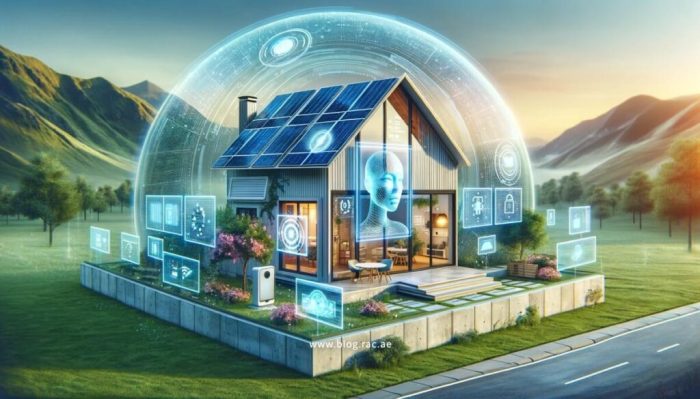
Smart homes play a crucial role in energy efficiency and sustainability by leveraging advanced technologies to optimize energy consumption and reduce carbon footprint
Reducing Energy Consumption
Smart homes are designed to monitor and control energy usage effectively. By utilizing sensors, smart meters, and automated systems, homeowners can track their energy consumption in real-time and make adjustments to optimize efficiency. For example, smart thermostats can regulate heating and cooling based on occupancy and weather conditions, reducing unnecessary energy waste.
Renewable Energy Integration
Many smart homes are equipped with renewable energy sources such as solar panels or wind turbines. These systems generate clean energy that can power the home and even feed excess electricity back into the grid. By integrating renewable energy sources, smart homes reduce reliance on traditional fossil fuels and contribute to a more sustainable energy ecosystem.
Efficient Lighting and Appliance Control
Smart lighting systems and appliances can be programmed to operate efficiently, minimizing energy consumption. For instance, smart lighting can adjust brightness levels based on natural light availability or occupancy, reducing unnecessary energy usage. Similarly, smart appliances can optimize their operation schedules to run during off-peak hours when electricity rates are lower, further enhancing energy efficiency.
Water Conservation Practices
Smart homes also incorporate water-saving features such as smart irrigation systems and leak detection sensors. These technologies help homeowners monitor and manage water usage effectively, reducing waste and promoting sustainability. By optimizing water consumption, smart homes contribute to overall environmental conservation efforts.
Security and Privacy Measures
Smart home systems come equipped with a variety of security features to ensure the safety and privacy of its users. These features include encryption protocols, user authentication, secure device pairing, and regular software updates to patch any vulnerabilities.
Security Features in Smart Home Systems
- Encryption protocols: Smart home devices often use advanced encryption techniques to secure data transmission and protect sensitive information from being intercepted by unauthorized parties.
- User authentication: Users can set up unique login credentials, such as passwords, PINs, or biometric data, to access their smart home systems and prevent unauthorized access.
- Secure device pairing: Smart home devices use secure pairing methods, such as Bluetooth encryption or QR code scanning, to establish connections between devices and prevent unauthorized devices from accessing the network.
- Regular software updates: Manufacturers release regular software updates to address any security vulnerabilities and ensure that smart home systems are protected against emerging threats.
Privacy Concerns with Smart Home Devices
- Data collection: Smart home devices collect a vast amount of data about users' daily routines, habits, and preferences, raising concerns about how this data is stored, accessed, and shared with third parties.
- Data breaches: In the event of a data breach, sensitive information collected by smart home devices, such as audio recordings, video footage, or personal data, could be exposed to hackers or malicious actors.
- Data sharing: Some smart home devices may share user data with third-party companies for marketing or advertising purposes, posing risks to user privacy and data security.
Tips for Ensuring Data Security and Privacy
- Change default passwords: Replace default passwords with strong, unique passwords for all smart home devices to prevent unauthorized access.
- Enable two-factor authentication: Activate two-factor authentication whenever possible to add an extra layer of security to your smart home system.
- Review privacy settings: Regularly review and update privacy settings on smart home devices to control what data is being collected and shared.
- Update software regularly: Keep all smart home devices up to date with the latest software updates to protect against security vulnerabilities.
Closure
In conclusion, the evolution of smart homes not only enhances convenience and efficiency but also paves the way for a more sustainable and secure future. This summary encapsulates the essence of how smart homes are shaping the way we live, inspiring us to embrace the possibilities that lie ahead.
Commonly Asked Questions
How do smart homes differ from traditional homes?
Smart homes are equipped with technology that allows for automation and control of various functions, offering increased convenience and efficiency compared to traditional homes.
What are the common IoT devices used in smart homes?
Common IoT devices in smart homes include smart thermostats, security cameras, smart lighting systems, and smart appliances.
What security features are integrated into smart home systems?
Security features in smart home systems may include encrypted communication, biometric access controls, and real-time monitoring capabilities.
How do smart homes contribute to energy efficiency?
Smart homes optimize energy usage through automated systems, leading to reduced energy consumption and lower utility bills.
What privacy concerns are associated with smart home devices?
Privacy concerns with smart home devices often revolve around data collection, sharing of personal information, and potential hacking risks.