Delving into Budgeting for Home Automation: Smart Tips for Beginners, this introduction immerses readers in a unique and compelling narrative. Beginners venturing into the realm of home automation are often faced with the daunting task of budgeting. It's crucial to plan meticulously to ensure a smooth journey into the world of smart devices and automated living.
This guide provides essential insights and practical tips to help beginners navigate the budgeting process with ease and efficiency.
Introduction to Home Automation Budgeting
When delving into the world of home automation, budgeting is a crucial step that should not be overlooked. Planning your budget carefully is essential, especially for beginners, to avoid overspending and ensure a successful implementation of smart devices in your home.
There are key factors to consider when budgeting for home automation, including the costs of smart devices, installation, maintenance, and potential unexpected expenses.
Assessing Your Needs and Wants
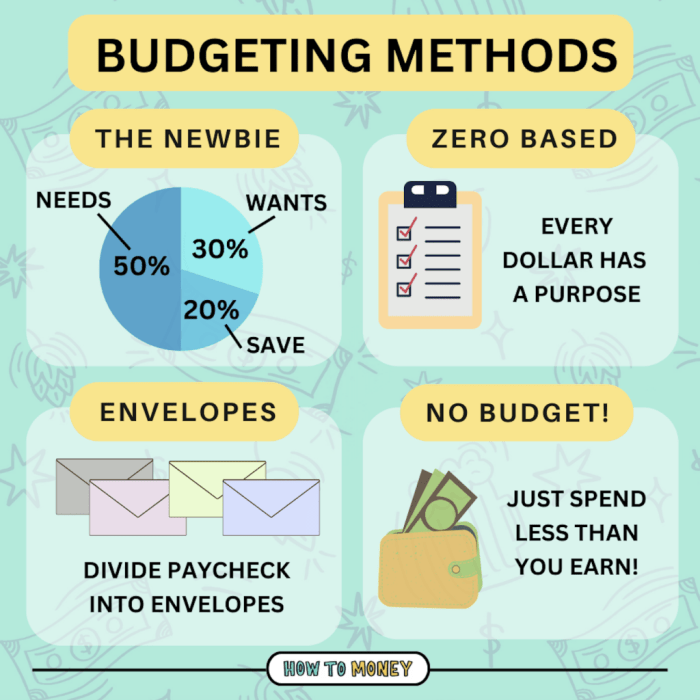
Before diving into home automation, it's important to evaluate your needs versus wants. Prioritizing smart devices based on your requirements can help you avoid unnecessary expenses. Essential smart home devices like smart thermostats, smart plugs, and security cameras should take precedence over nice-to-have gadgets like smart light bulbs or voice assistants.
Setting a Realistic Budget
Creating a realistic budget for your home automation projects involves researching the costs of smart devices, installation, and maintenance. It's crucial to factor in all expenses and leave room for unexpected costs that may arise during the implementation process. Adjusting your budget to accommodate unexpected expenses can help you stay on track financially.
DIY vs. Professional Installation
When considering installation methods for your smart devices, it's essential to weigh the costs of DIY installation versus hiring professionals. While DIY installation may save you money upfront, it could lead to complications and additional costs in the long run.
Professional installation, on the other hand, ensures a seamless setup but comes at a higher price. It's recommended to DIY simpler installations and opt for professional help for complex systems.
Energy Efficiency and Cost Savings
Home automation not only enhances convenience but also contributes to energy efficiency and cost savings
Budget-Friendly Automation Ideas
For beginners looking to start small with home automation, there are plenty of budget-friendly options available. You can begin by investing in basic smart devices like smart plugs, smart bulbs, and smart speakers, and gradually expand your smart home ecosystem as needed.
Affordable yet effective automation solutions like smart home hubs and smart sensors can enhance your home without breaking the bank.
Avoiding Common Budgeting Mistakes
Common mistakes beginners make when budgeting for home automation include underestimating costs, overspending on unnecessary devices, and failing to account for maintenance expenses. To avoid these pitfalls, it's essential to regularly review and adjust your budget plan as needed. Staying within your budget and being mindful of your expenses will ensure a successful and financially sound home automation project.
Ending Remarks
In conclusion, Budgeting for Home Automation: Smart Tips for Beginners offers a comprehensive roadmap for those starting their home automation journey. By understanding the importance of budgeting, assessing needs versus wants, setting realistic budgets, and avoiding common mistakes, beginners can kickstart their smart home projects with confidence.
Embrace the convenience and efficiency that home automation brings while staying within your financial limits.
Quick FAQs
What are some common mistakes beginners make when budgeting for home automation?
Common mistakes include underestimating costs, not factoring in maintenance expenses, and overspending on unnecessary smart devices.
How can beginners prioritize smart devices based on their requirements?
Beginners can prioritize devices by focusing on essential functions first, such as security and energy efficiency, before considering nice-to-have features like entertainment gadgets.
When should beginners opt for professional installation over DIY?
Professional installation is recommended for complex systems or when dealing with electrical connections that beginners might not feel comfortable handling.